In Between the Lines is my wandering journey through each and every line of Hong Kong’s efficient MTR system, as well as a reflection on their place in a network I love.
1998 — AIRPORT EXPRESS/Kowloon
Commenced operations: 6 July 1998
Most recent extension: December 2005
Stations: 5 (2 unique)
Colour on map: teal

“WHAT,” cries my readers, slamming shut their laptops in disgust. “Surely the most representative station on a line called the Airport Express is the one that serves the Airport! That is the whole line’s raison d’etre! The beginning and the end of any foreigner’s visit to the city! THIS MAN KNOWS NOTHING ABOUT METRO SYSTEMS,” they say, before presumably leaving in a huff to write their own railway-themed series.
To be fair to the Airport, it’s got no shortage of interesting things to talk about. The way you can walk through the train to get between the two terminals, the contrast between glass and concrete that mirrors the style of the Tung Chung line, all of these make for a station of above-average calibre — but it’s not that interesting either. You can come here, and you can head into the adjacent building where they park the metal tubes that go in the air. That is all. This would make for a ridiculously short piece, and as we all know I am not a fan of short pieces. (Besides, there is an injunction in place at the Airport which prohibits your average nosy photographer from entering — as I found out to my cost.) Instead, then, let us trace the route of the Airport Express back into the city, in search of more oddities at the other end of the line.
After passing through the island of Tsing Yi, the line barrels down the western edge of Kowloon like its slightly more working-class twin. Unlike the Tung Chung line, it doesn’t stop at any intermediate stations — not until it dips underground, and finds itself at Kowloon station. Yet as we alight, something doesn’t feel right: perhaps it’s the scale of the station structure, perhaps it’s the fantastically dim lighting — or perhaps it’s the emptiness of the whole station. For a station that bears the name of the entire urban area it’s on, this place is startlingly desolate. What passengers there are on the platforms evaporate within thirty seconds, and though the place never quite empties completely, the only sound you hear is the rattle of the escalators, and the occasional station announcement. (I should say that we came here on the TCL, because no man would ever really take the Airport Express unless they were trying to spend money as quickly as possible.) There is a very simple reason for this: this is not Kowloon.
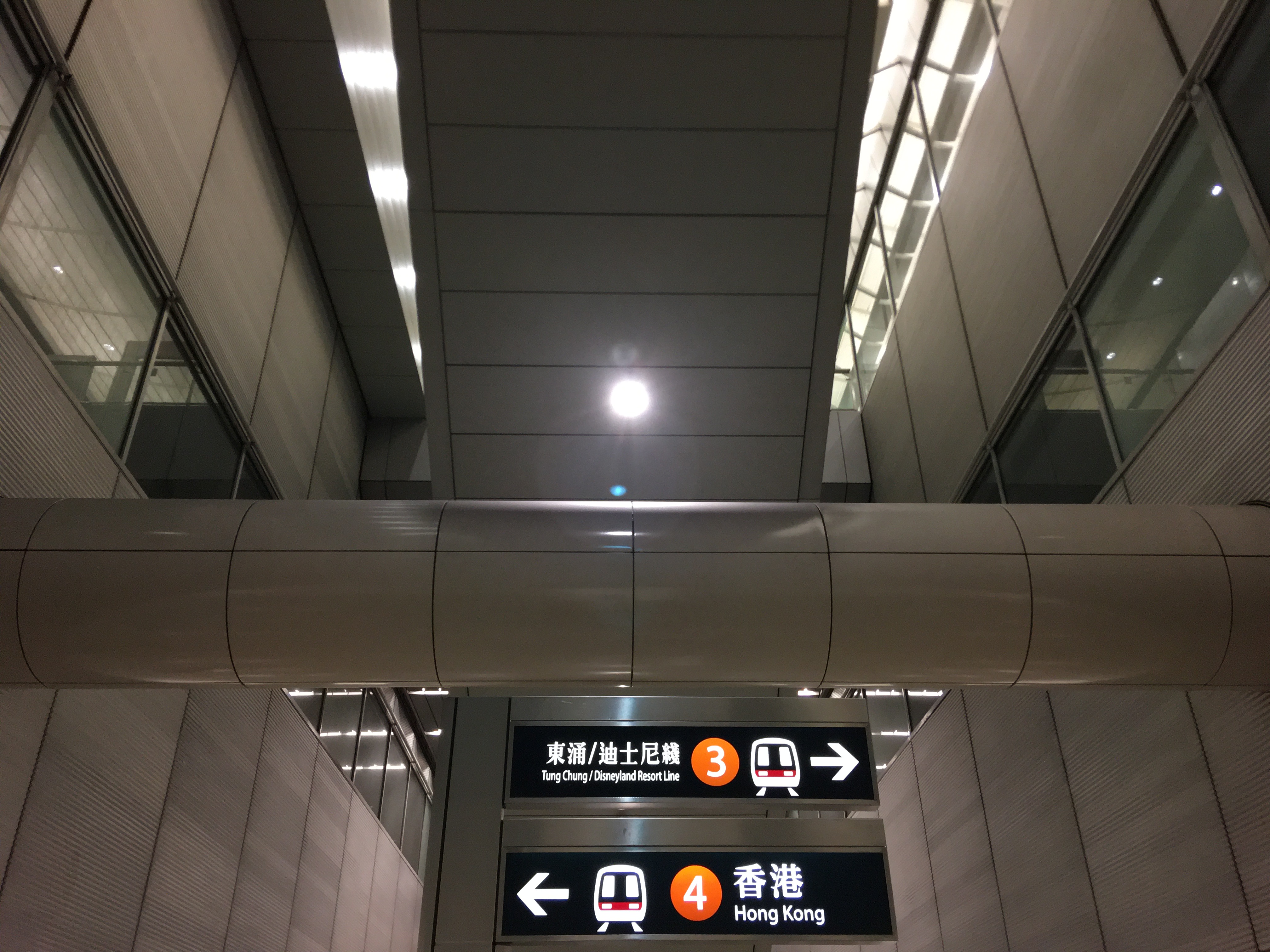

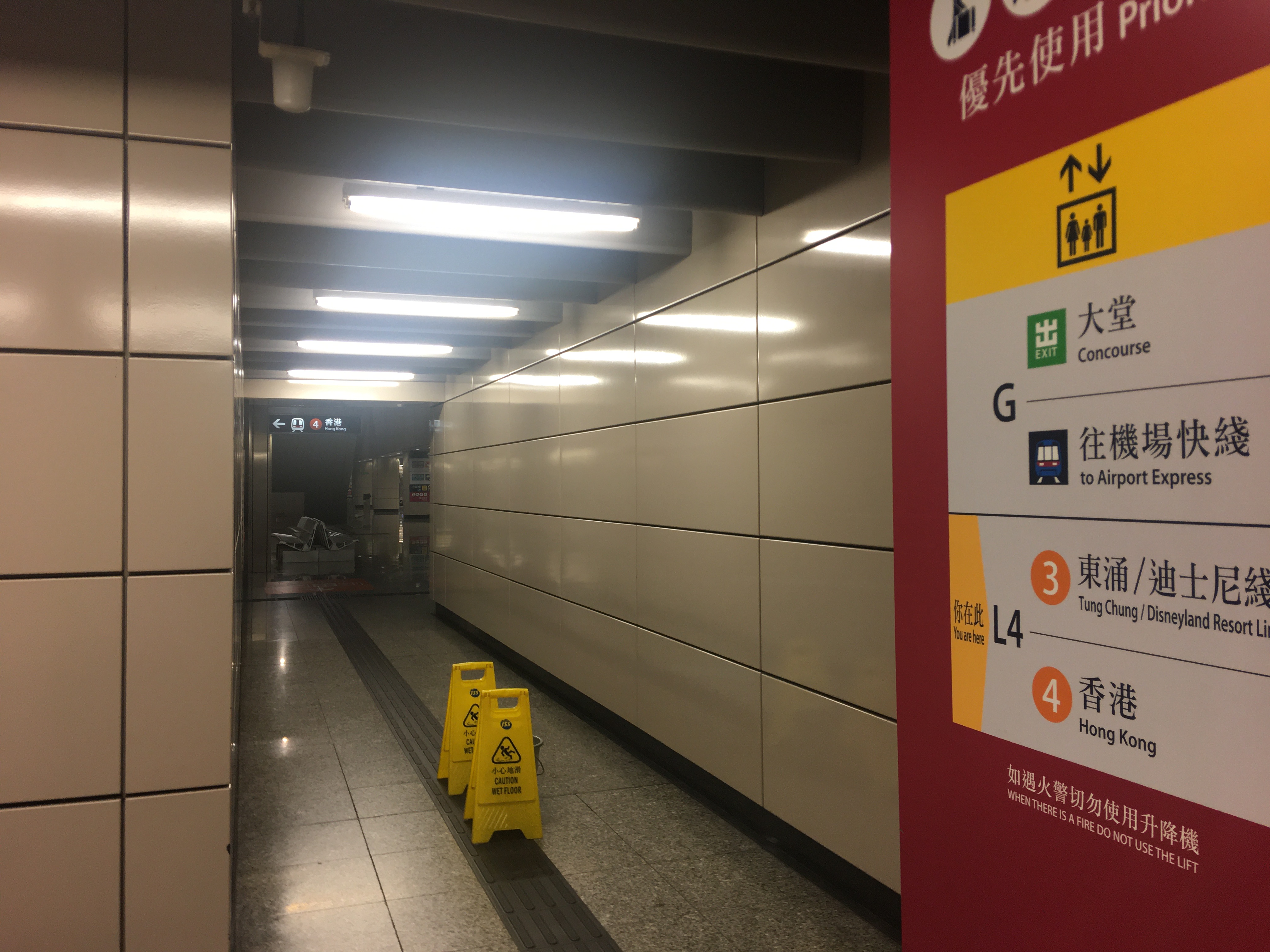
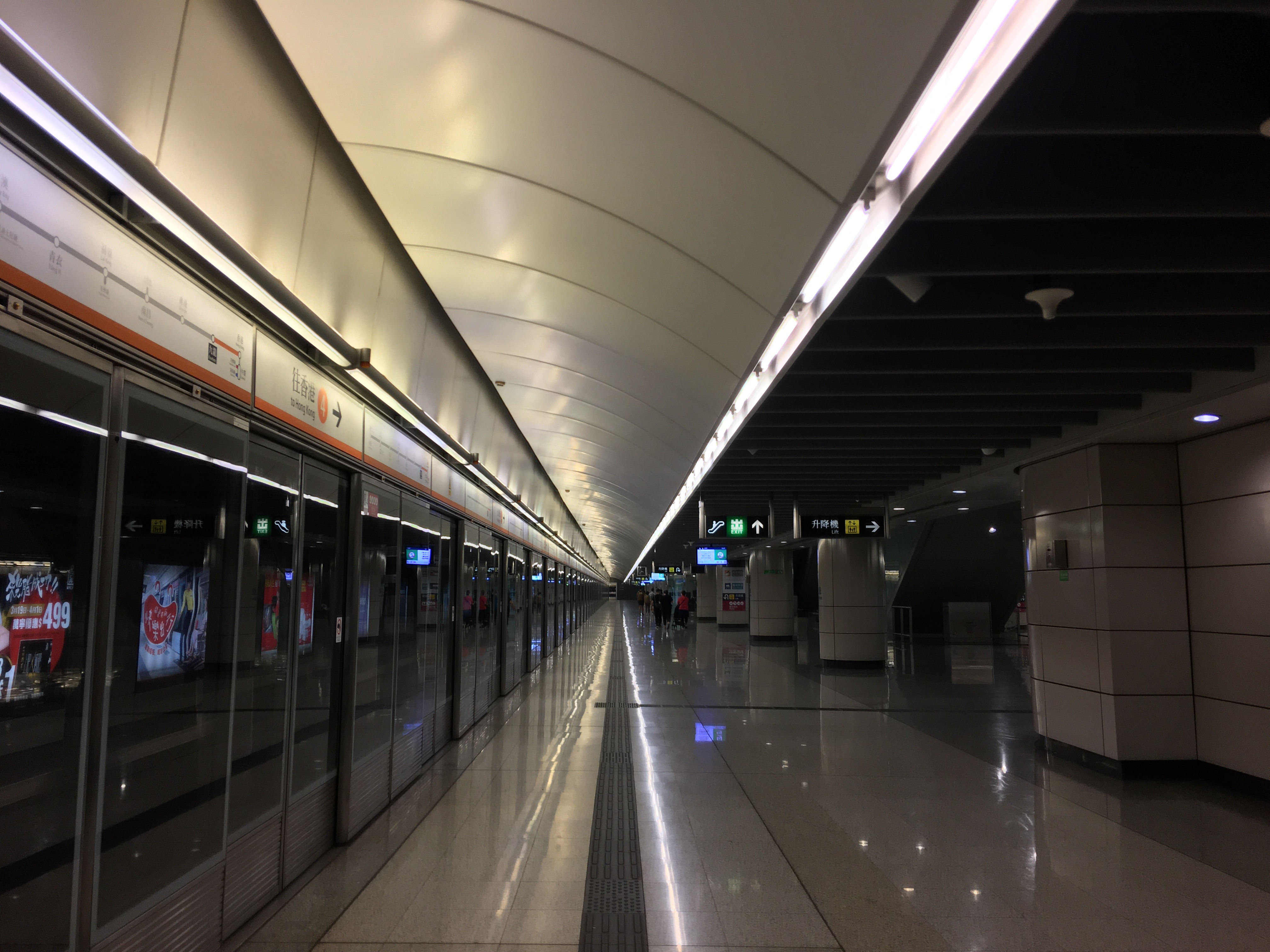
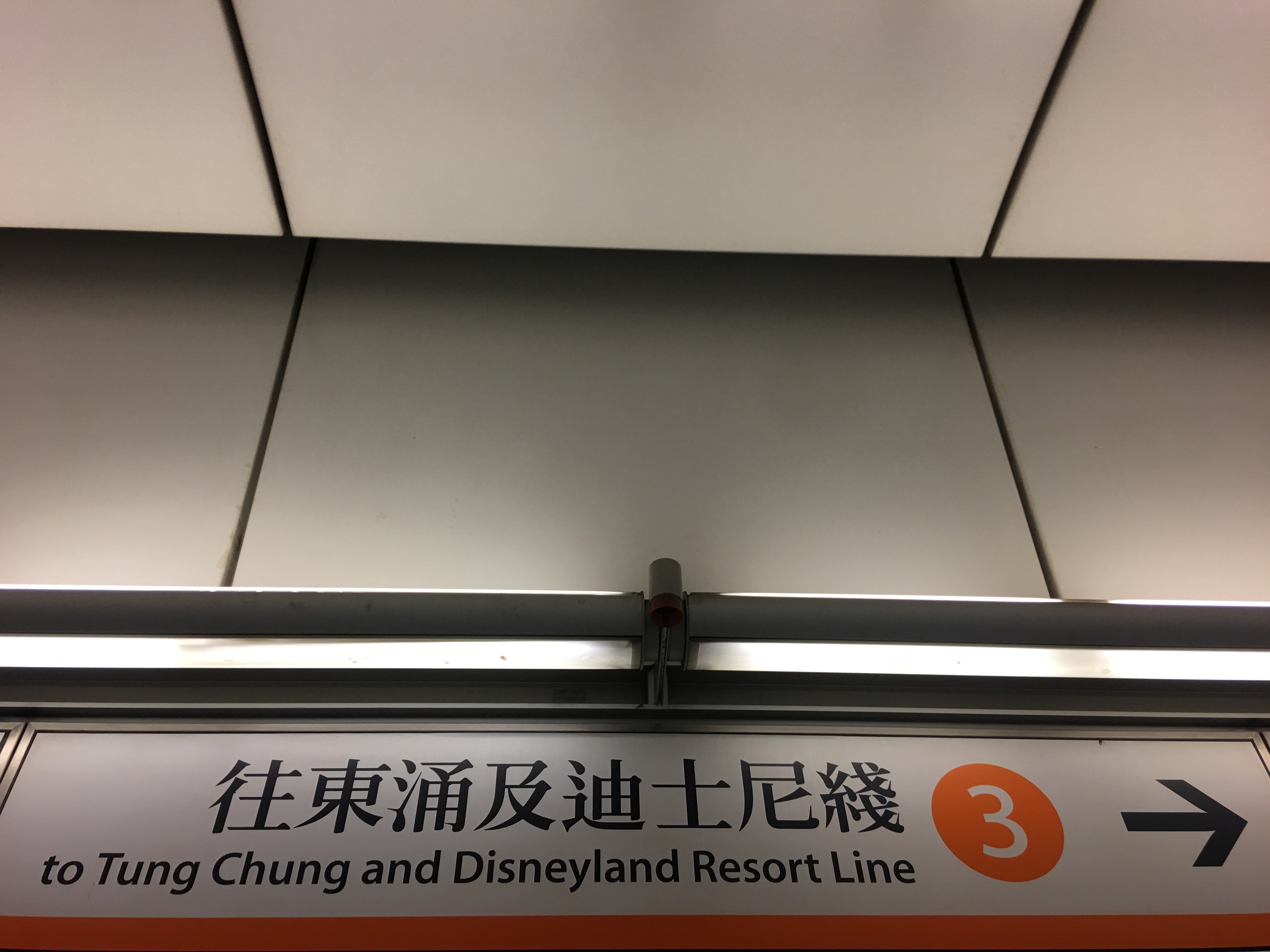
Okay, back up: Kowloon station is ON Kowloon, make no mistake. But it’s not exactly the station you would alight at if you wanted to get there. When most people think of Kowloon, they either think of dense city streets filled chock-a-block, people trying to weave in and out of the buildings — or they think of shopping malls sitting side-by-side with classic British architecture, remnants of former colonial rule. Whatever it is, it is very, very far away from here. It would be like saying that you were in the city of London while standing in Croydon — technically true, but about as far from the heart as you can be.
This was especially true when the Airport Express opened in July 1998. In the early 1990s, there was nothing here, no buildings, no MTR station, not even land — this whole place was ocean, host to the Yau Ma Tei Typhoon Shelter, crowded with boats and dinghies that were mostly famous/notorious for smelling really, really bad. But the handover was coming, and the government was so giddy and optimistic that they decided to allow a building spree, which meant dumping tonne upon kiloton of soil into the sea around here and fattening Kowloon Peninsula by a couple of kilometres. (The dolphins and swimmers are still recuperating from this massive shock to the ecosystem.) The concrete had barely dried off when they bored two tunnels through the middle of it and decided that they needed some places for people to get to, and the result was a station that was out in the middle of nowhere.
Now, the MTR is no stranger to stations plonked out in the middle of nowhere. You could throw a dart at the network map and there’s a good chance you’ll hit a place which practically exploded because of the arrival of the MTR. But those stations weren’t on lines that were built for tourists. The commuters coming here on the Airport Express didn’t know that Kowloon was a good half hour’s walk away, that there was nothing here, no shopping mall, no restaurants, not even a hotel. (For twenty years after it opened, the MTR needed to operate feeder buses into the city from here.) True, the station was, as we now look up to the heavens, a masterpiece of space and acoustics. But what good was that when you didn’t have anything useful? Why the hell promise “Kowloon”, and then give passengers a wasteland?
To answer that question, we must try and place ourselves in the shoes of these travellers. We find the Airport Express platforms and head down. The signs do not look good.

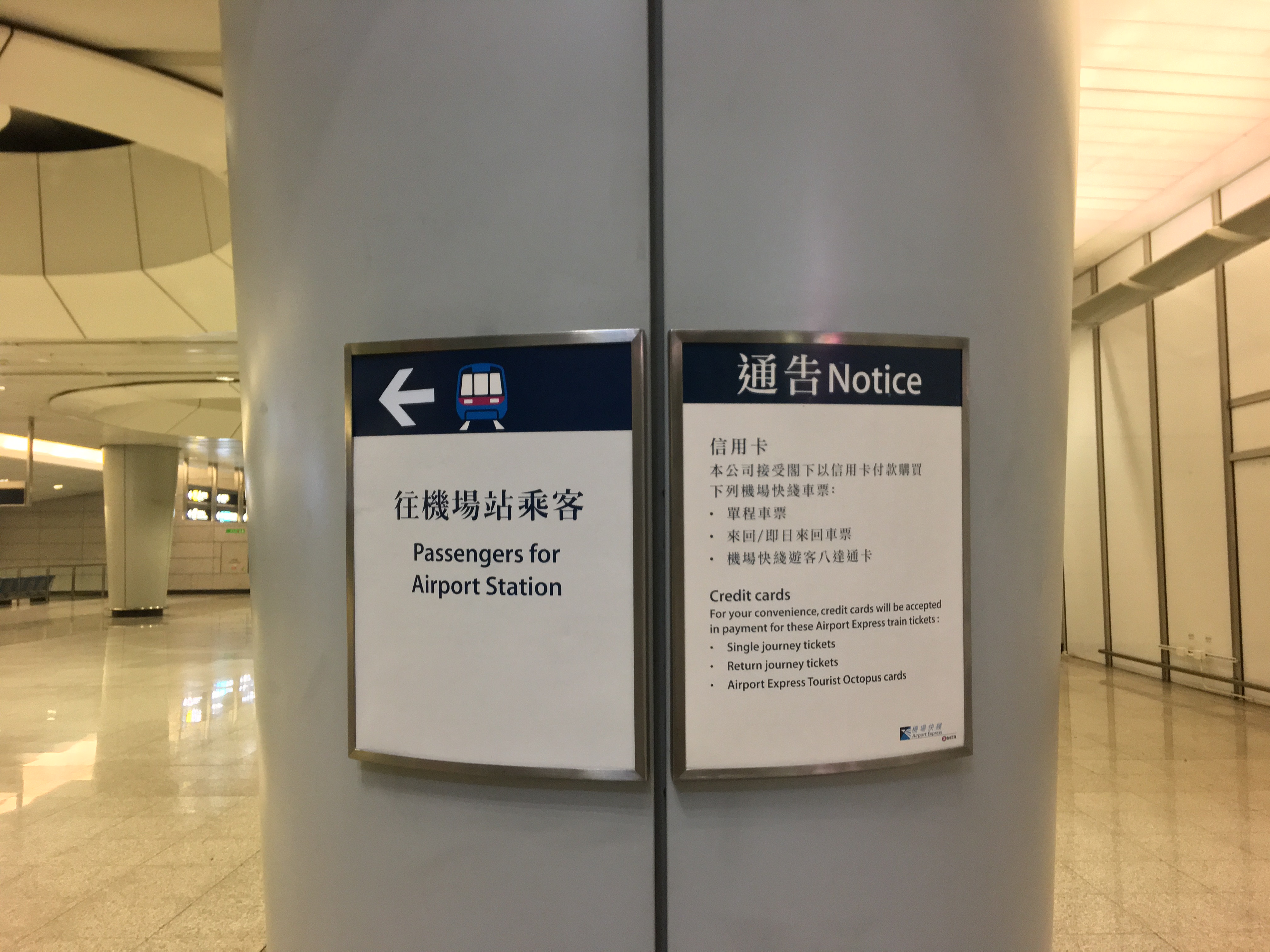


The first thing you realise about Kowloon station is how transitory a place it is. I’m writing this during a pandemic, when travel is at a minimum and trains are few and far between. Perhaps it’s that lack of activity that exposes how badly this place relies on travellers: the switched-off lights, the monitors black as night. We’re used to seeing these bustling with activity, but now, with a deadly virus sweeping and still sweeping the globe, the comfort of movement, of people who are on the move, seems eerily distant. As with Sai Wan Ho a couple of months ago, this place is quieter than the grave: here there are only taxis, the occasional person rushing by, the great big arrows pointing you to a million different things. This place serves as a mere gateway to the actual Kowloon, an extension of the Airport allowing travellers to be ensconced in their comfortable little bubble for a little while longer, before they exit into the heat and humidity of Hong Kong proper. The MTR turned that gateway into a synecdoche, surprising God knows how many of its commuters.
Not that this was anything new. Right from the start, the MTR had already been taking liberties with placenames. When the Tsuen Wan line opened in 1982, for instance, the community of Sham Shui Po found itself in possession of a station named Cheung Sha Wan — a place which was a kilometre to the west and itself had a station named Lai Chi Kok (which was itself another kilometre to the west). Forty years after the line opened, the line still regularly receives naïve commuters who get off at the wrong stop and lose a few minutes of their commute simply because of that misnaming. Nor is this a practice that has died out with time: a couple of years ago, the system came under fire for naming two stations after the locale the other one was in.

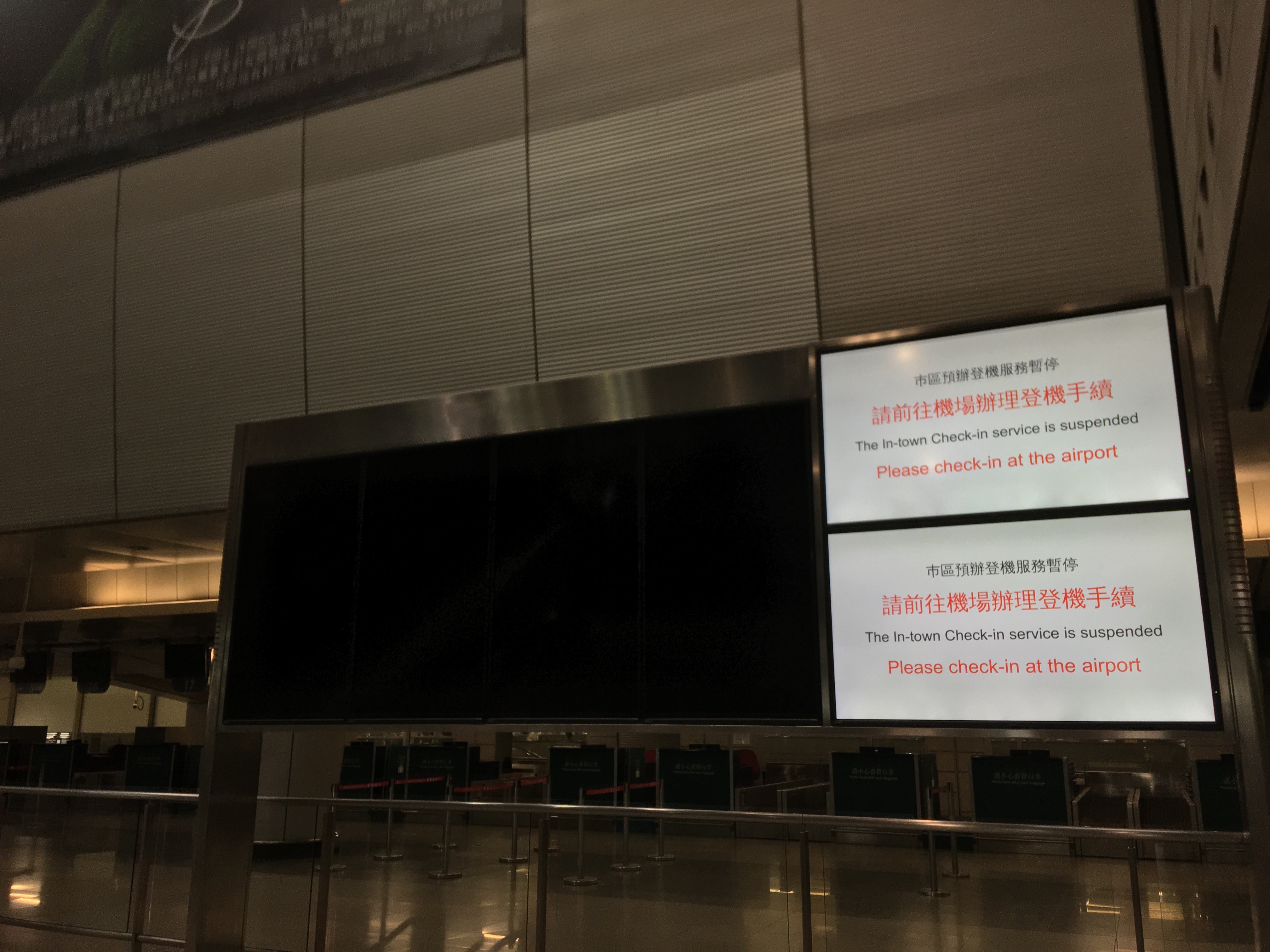

Normally this wouldn’t have been quite the big deal: metro systems all over the world occasionally name their stations after the wrong place. But when you’re a city that actively relies on your metro network map for orientation, things get a little more dicey. It’s astonishing how many people here actually base their knowledge of Hong Kong’s geography on the MTR map: a friend recently told me that it was only after she got a job for a local magazine that she realised how much there was outside that piece of paper. But nobody really fussed over these naming technicalities, so over the course of forty years, the station names gradually snuck into the public consciousness and took hold — thus we have people referring to places like Jordan, Olympic and Lam Tin, even though these places practically didn’t exist before the MTR came along.
It was around the time of the handover that the Corporation realised what it was capable of: with a simple stroke of the pen, they had done nothing less than reinvent the city and influence 7 million minds. So I’m guessing that they felt emboldened enough to pull this off, to name a station in the middle of what was then a complete desert after another bustling district. Not content with having mind control over us, however, they then began to close in on the market as well, and began developing their own housing and shopping microcosms, which we see as, at long last, we turn away from the platforms.
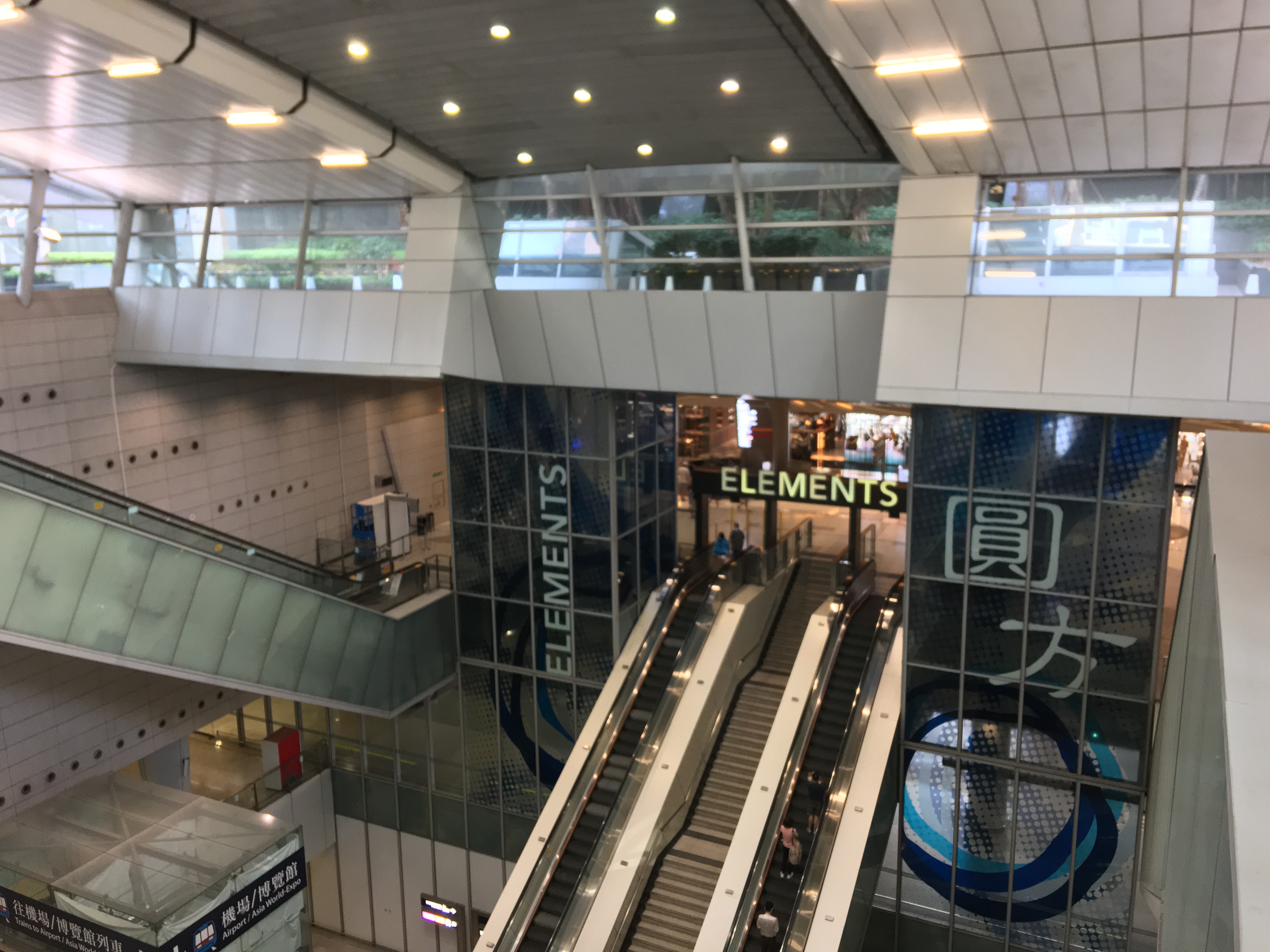


You can’t miss the sign. “ELEMENTS”, it cries in huge letters across half the sky. Abstract ribbons of some unknown material wind down from above, inviting you to head inside this shopper’s paradise. Soft muzak flows through the speakers as we enter, a wash of serenity over the hubbub of the diffused crowd beyond. The signs above inform us, somewhat goofily, that we are now in the “Water District”, and as if to confirm this fact a huge metal sculpture/fountain appears, splashing its way from the ceiling to the floor. (The sign next to this installation informs us that this is an abstract representation of water droplets, though they’ve always looked more like garlic cloves to me.) We find dozens of these abstract sculptures, scattered round each of the five zones of Elements Mall: sometimes they make sense, sometimes they don’t. Yet for every sculpture that pops up, there’s also a corridor that leads to somewhere evocative: The Waterfront, Sorrento, The Cullinan. (Never underestimate our city’s propensity for pretentious residence names.) We come to the other end of the shopping mall and ascend further into the heavens, coming ever closer to an impressive piece of canopy that looks like it belongs at the Airport. Suddenly a wide set of double doors open, and we’re spat out into the sunlight and the choking heat of Hong Kong on a summer’s day. (Not a midsummer’s day. Just any summer’s day.)
After Kowloon station opened, it wasn’t long before the MTR Corporation started trying to justify its existence. Con the visitors as long as you like, opening a new station in the middle of a concrete desert isn’t going to bring you great profits. So they turned to something that had helped the company stay afloat during the 1980s: they built housing, and a LOT of housing at that. Yes, they’d done property development since the beginning times — Telford Gardens in Kowloon Bay had been built more or less alongside the initial network in the late 70s — but now, as the potential of boatloads of money became apparent, they went into overdrive.
And so tower block after tower block sprung up, and gimmick after gimmick was used to sell the place: this one offered unparalleled views of the sea, this one was shaped like an arch, this one was the tallest residential building in Hong Kong and so on. When I was young I came to this area a lot, and it looked nothing short of madness, seeing the construction work going on ad infinitum. Then they decided that they needed to up the ante, so they built one of the largest shopping malls in Hong Kong here, one that decided to name itself after the five elements of Chinese culture, one that would ensure empty wallets every time somebody went in them. Then they decided to up the ante even more, so a skyscraper was built here: it would be the tallest in Hong Kong, one that would hold offices and hotels and observation decks, one that would be refreshingly free of stunt people jumping off it like that pesky IFC across the harbour.
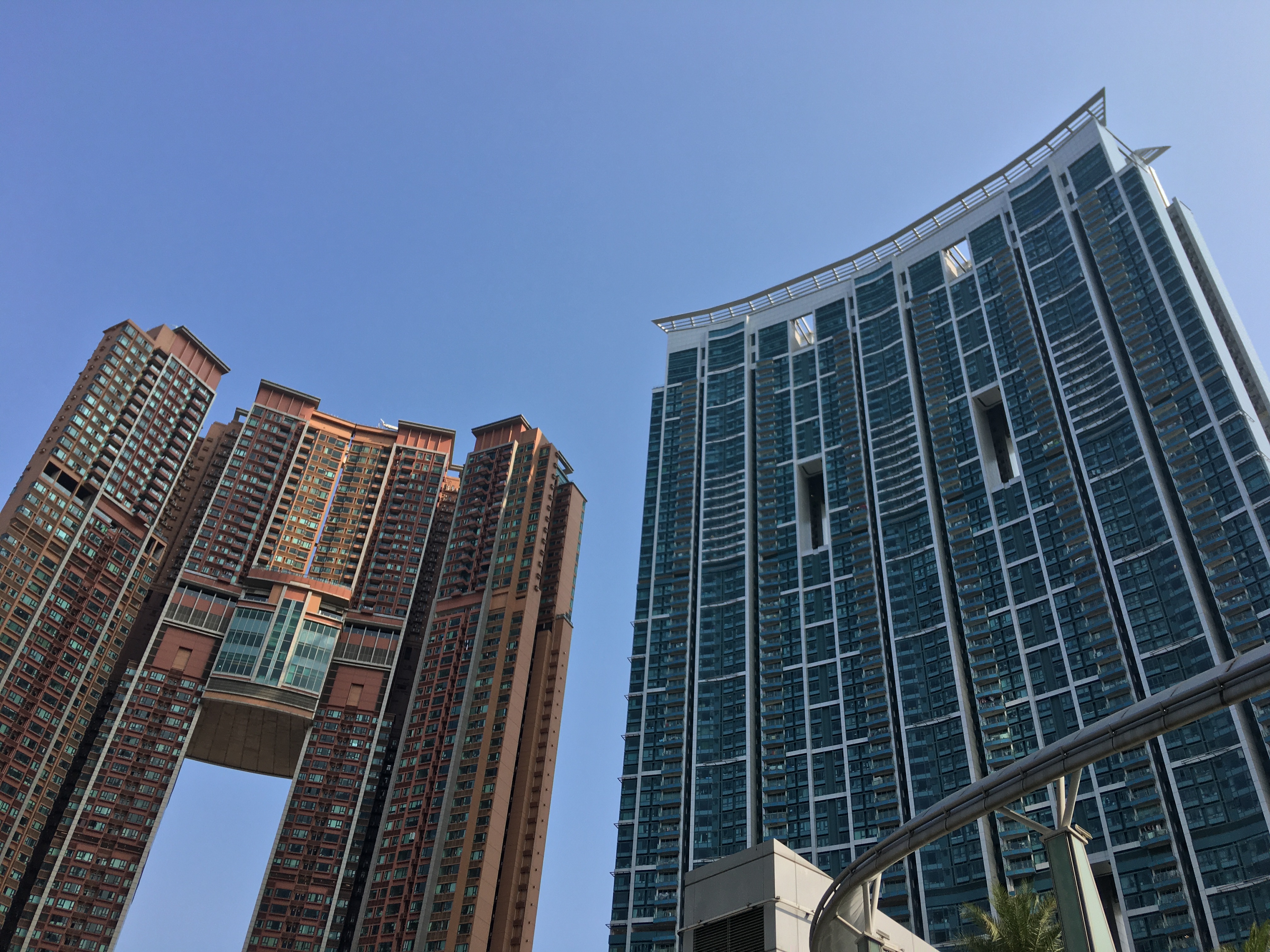
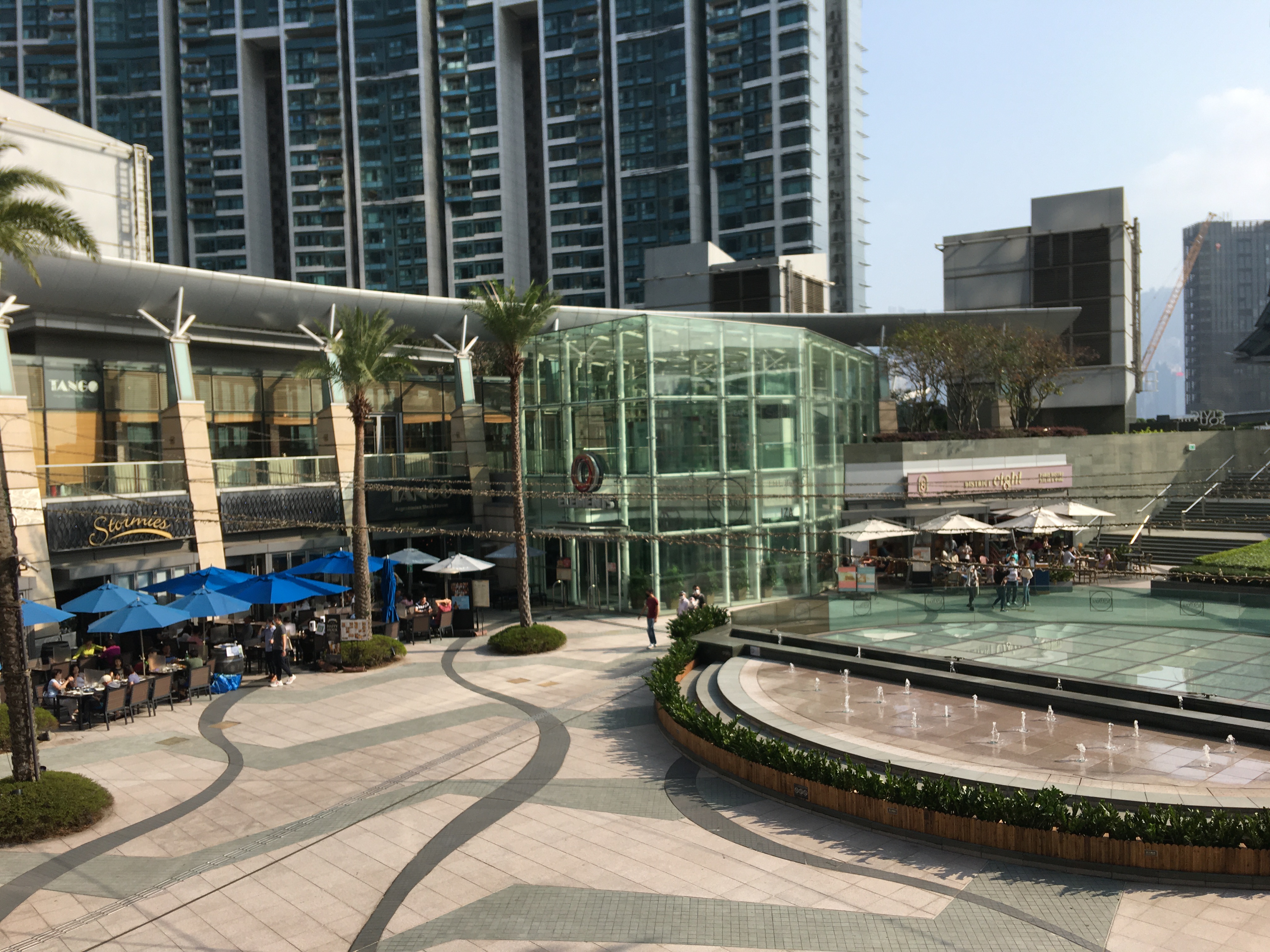

Today, as we stroll underneath the shadow of all these magnificently over-the-top buildings, you’ve got to admire what Kowloon station ended up creating. Mention the station to anyone these days, and you’re likely to conjure up this exact image, a jungle of iron and glass that bears down on you from all sides. But far from being a soulless cage, this place actually earns its wings by injecting life into the surroundings — there are palm trees, there are children running around and laughing. The fountains here actually spurt water in decent patterns, so you can see that this wasn’t just another half-arsed assignment for the planners. Down in Civic Square — the fancy place where you can find all the expensive cuisines under the Sun — people laze about, enjoying their Argentinean steak and beer under the parasols, smoking on the staircase. This is, despite the architects’ best attempts, all refreshingly communal.
My favourite part about this whole place, though, comes when we walk up the steps towards the ICC, that high structure that holds everything. It’s the tallest building in Hong Kong, so I feel it’s no exaggeration to say that it looms way above you, almost sticking into the clouds (and on a cloudy day, it really does). The Ritz-Carlton Hong Kong is situated up there, and everytime I see this building an absolutely cringey image from a documentary pops into my mind — that of Richard E. Grant leaping excitedly into Lady Gaga’s bed. (She was not in it at the time, but still.) Turn around, and in the shadow of that giant tower we have a couple of seats made of planks, and a platform from which you can overlook the W Hotel, the Western Harbour Crossing and the typhoon shelter beyond that. At night, when the lights turn on and the roar of traffic is the only thing you hear, when the ICC is nothing but a pillar of white LED, this place becomes awesome, infinite layers of darkness evoking infinite layers of mystery and romance. Every time I have dinner with friends here, I make sure to take them over to this place. You can keep your Peaks and Lion Rocks, this is the best view Hong Kong has to offer.

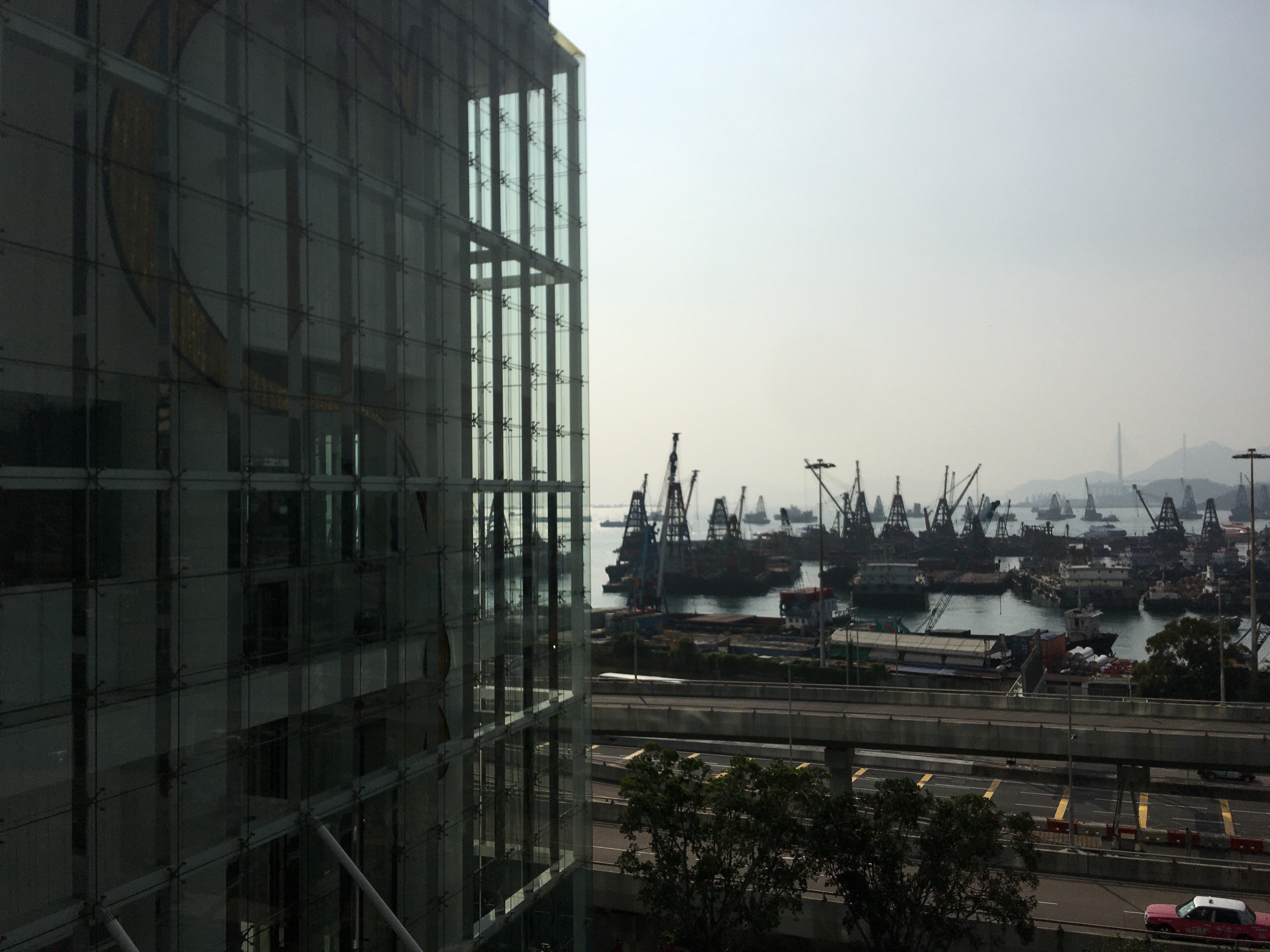

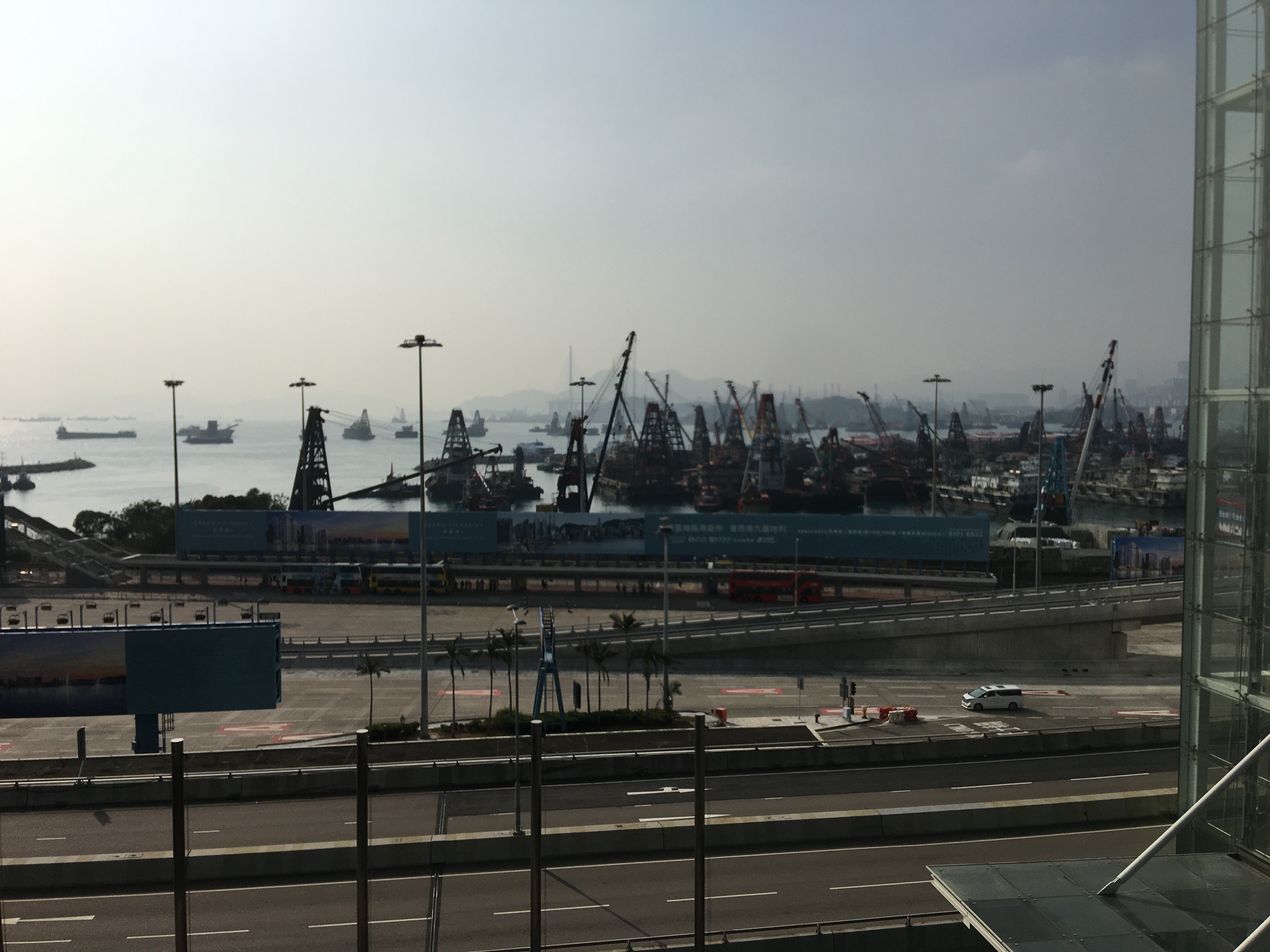
But what does that say about the Airport Express, what does that all say about Hong Kong? Looking down from our beautiful vantage point of the present, it’s tempting to say that this heralded a new era of “cash is king”, that the MTR Corporation, drunk with the power of what they’d been able to do here, began abusing it to greater and greater extent. That may be true, but it doesn’t take away from the genuine ambition and optimism you see here. You have to remember that the new Airport was part of a huge optimism that we had after the handover: we were leading in the financial world, everybody looked to us for martial arts culture. Yet everyone still seemed to see the city as a place akin to your local Chinatown: dark, corrupt, inscrutable. Kowloon station and the Airport Express which took people there was, perhaps, an attempt to show our modern side to the world: a whole new community, vibrant and alive, clean and efficient. The first thing people saw of our city would no longer be rickety tenements, as was the case at the old Kai Tak Airport. Instead, there would only be gleaming buildings that anyone who had money could live in — and in a city like Hong Kong, where opportunity was aplenty, that really could mean anyone.
More often than not, that grandiose ambition is a recipe for disaster. The plans quickly get bogged down by bureaucracy and idiocy. Buildings get built for no apparent reason, shopping malls squeeze out parkland. Yet that didn’t happen here: not everything here is pretty, but it’s a decent effort, and you can still see people having fun in the tall shadows. For all of the bad decisions that the MTR has made since then, its first project turned out to be pretty good. They caught the vibe and promise of the times, and they did miracles with it. These days, everyone in Hong Kong is a little sceptical of large reinventions: sticking to the principle of “if it ain’t broke don’t fix it”, the MTR Corporation has churned out housing project after housing project, in places as far-flung as Tsueng Kwan O, Yuen Long and Wu Kai Sha, with diminishing aesthetic (if not financial) returns. Meanwhile, the public grew wary of the MTR and of its grip over the populace. Rent went up wherever the system arrived, as did the fares every year. The Corporation became bogged down in admin, its projects gradually became larger, more cumbersome, more unpopular.

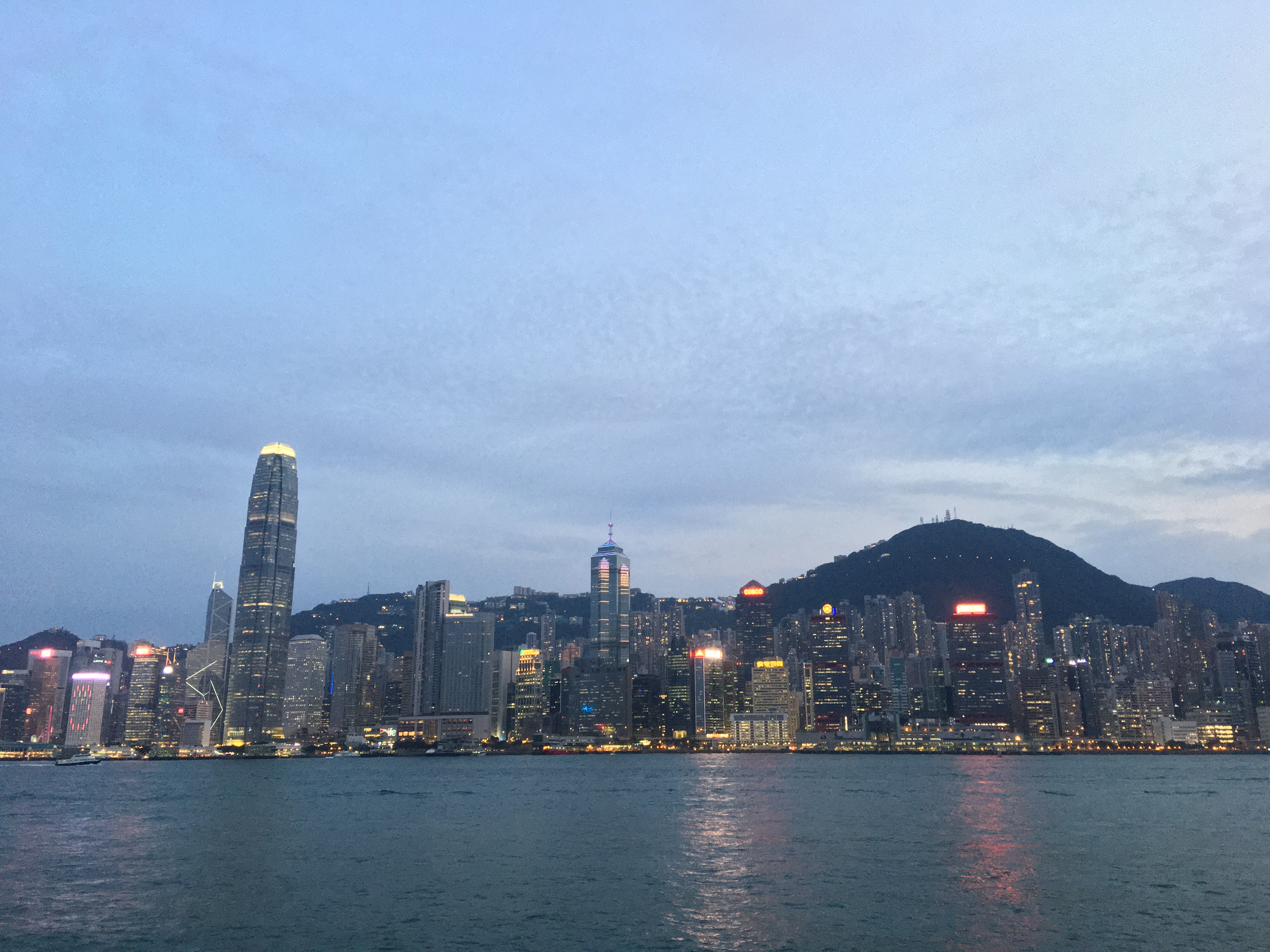

But we’re not there yet. Kowloon continues to grow, even if it’s had to settle for the slightly less impressive moniker of “West Kowloon”. It’s recently added a whole cultural district to its geography (which is its own shitstorm, but let’s forget that for now). Good for them. For now, at least, that original illusion holds firm, and Hong Kong allowed itself to be shaped by the almighty force of the MTR. There would come a time when this would not be the case. But that would be a story for another day, and meanwhile we have another far-off station in the middle of nowhere to get to…
Next time: turning from one of the grandest lines to one of the smallest, the Tsueng Kwan O line exposes the short-sightedness of the brains behind thethe MTR.

 Inkpot Shuffles in the Twilight
One thought on “In Between the Lines — Airport Express/Kowloon”